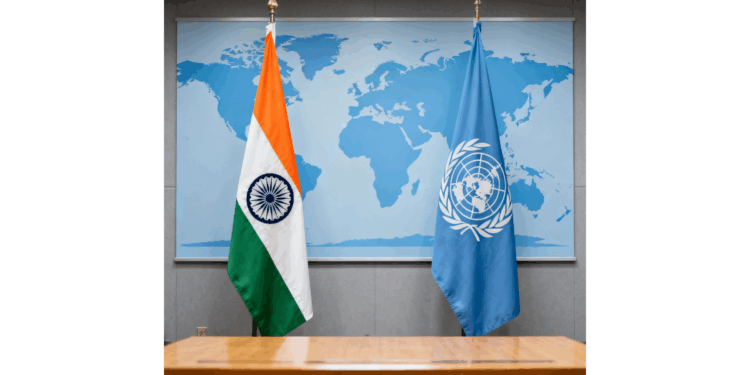
India has once again strengthened its global diplomatic presence by being elected unopposed to the United Nations Human Rights Council (UNHRC) for the 2026–2028 term. This marks the country’s seventh tenure since the council’s inception in 2006, reaffirming its steadfast commitment to human rights, democracy, and multilateral cooperation.
India’s Continued Global Leadership
India’s Permanent Representative to the UN, P. Harish, expressed gratitude to the member states for their overwhelming support during the election process. He described the result as a reflection of India’s “unwavering commitment to human rights and fundamental freedoms” and reaffirmed that the nation will continue to advance these principles through dialogue and collaboration within the Council.
Role and Influence in the UNHRC
The UN Human Rights Council, based in Geneva, consists of 47 member countries tasked with promoting and protecting human rights globally. India will join countries such as the United Kingdom, Pakistan, Italy, Chile, Estonia, and Egypt in the upcoming term starting January 1, 2026. This position offers nations a platform to influence global human rights policies and address pressing global issues like digital rights, gender equality, and climate justice.
Historical Significance
India has previously served on the Council six times, starting from 2006. Its re-election underscores the country’s consistent role in shaping international human rights discussions through cooperation rather than confrontation, guided by its constitutional principles of justice, liberty, and equality.
For HyderabadStories.com Audience
India’s unopposed election is a proud diplomatic milestone, emphasizing the country’s growing global stature and credibility on international platforms. It highlights India’s commitment not only to the foundational values of the United Nations but also to fostering peace, sustainable development, and inclusive global governance for all.