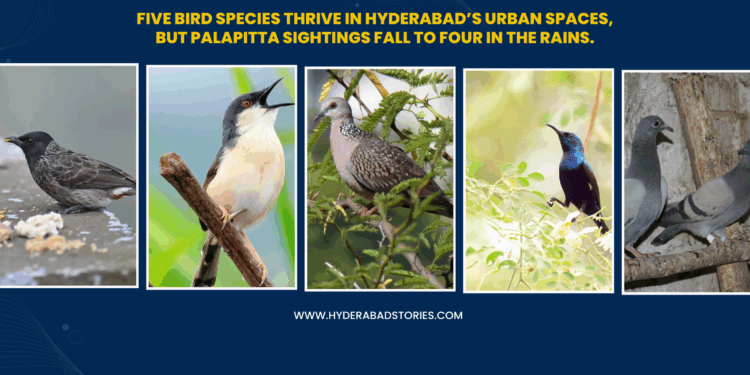
The Hyderabad Bird Atlas survey has logged 218 species from more than 1,400 checklists contributed by 400 volunteers, revealing shrinking diversity in city cores and seasonal declines in Indian Roller (palapitta) sightings.
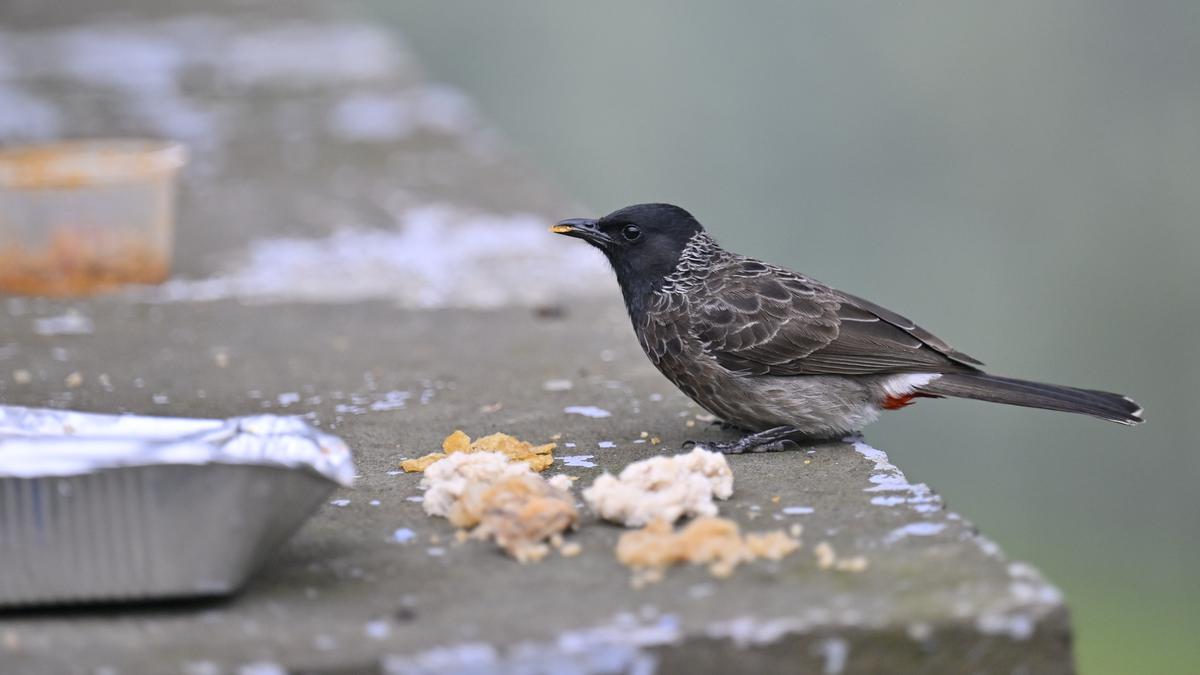
A red-vented bulbul.
Rapid urbanisation is steadily transforming Hyderabad’s natural ecosystem, and the effects are most evident in its birdlife. Species like the Red-vented Bulbul, Ashy Prinia, Spotted Dove, Purple Sunbird, and Rock Pigeon have adapted well to concrete environments, making them common across parks, gardens, farmland, and city streets. Yet, within the city’s core areas, overall bird diversity has seen a sharp decline.
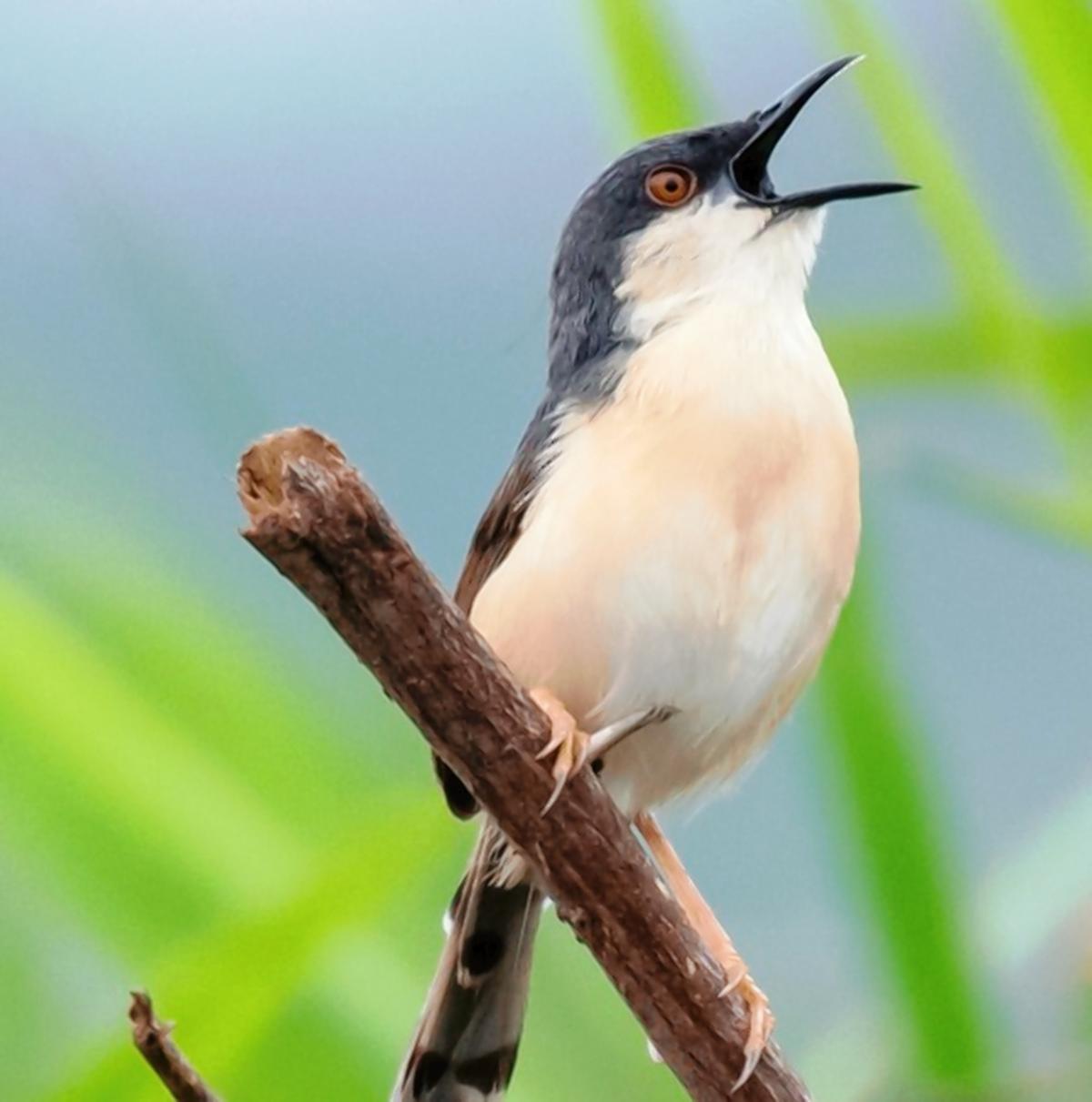
Ashy Prinia.
These findings come from the first and second phases of the Hyderabad Bird Atlas 2025 survey, undertaken by Hyderabad Birding Pals, Deccan Birders, and WWF-India. The results of the second phase, presented in Hyderabad on Sunday, documented 218 species across the city, including several of conservation importance.
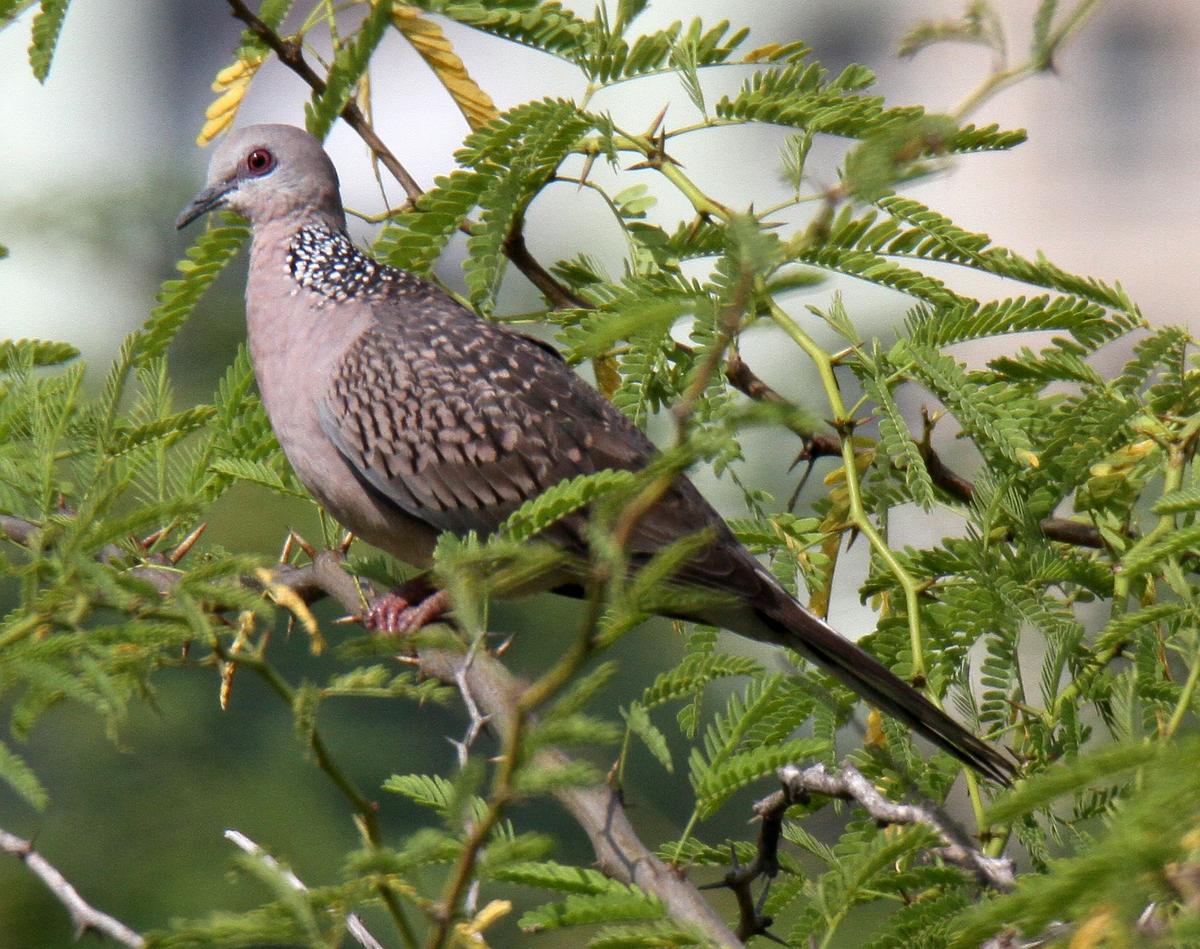
A spotted dove.
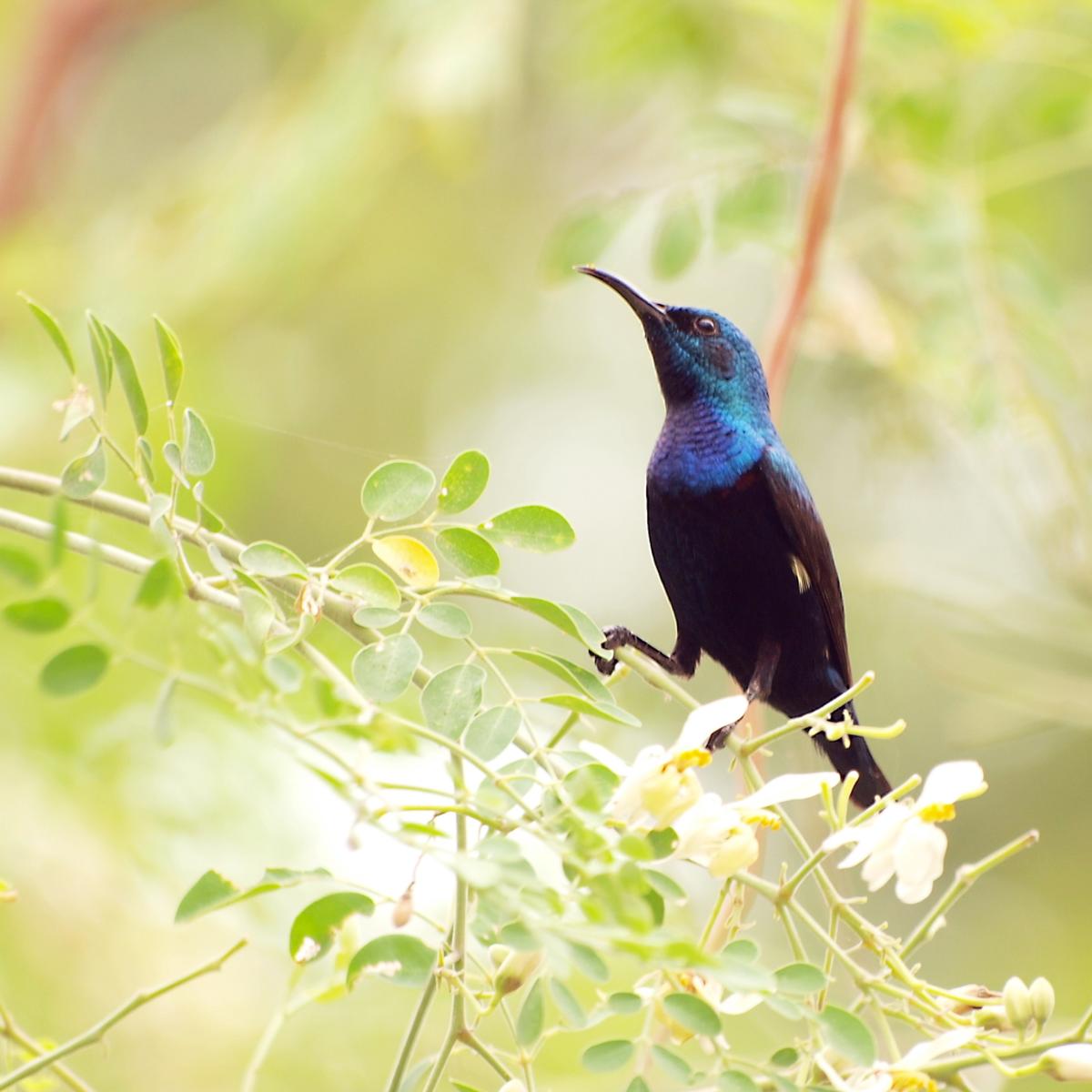
Purple Sunbird.
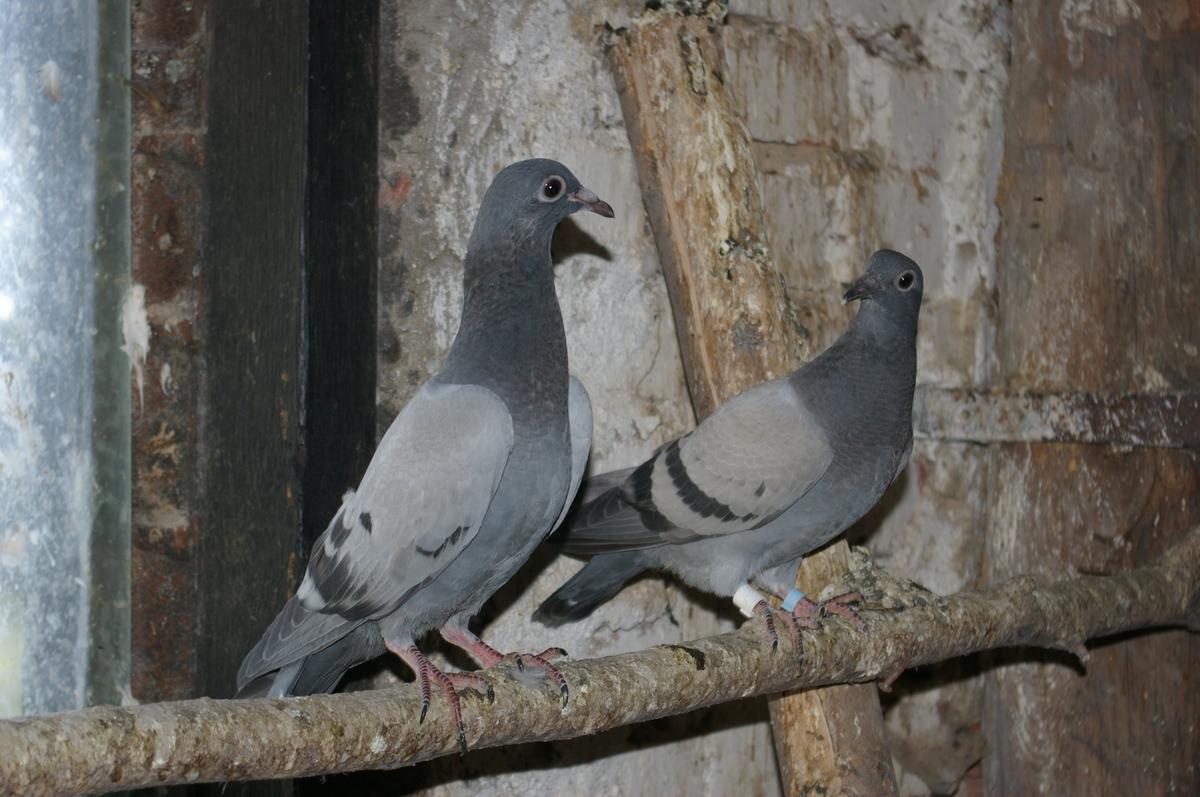
Rock pigeon.
The Hyderabad Bird Atlas aims to build a comprehensive picture of bird distribution across the city. The first survey was held in winter (February), followed by the second in the monsoon (July), with four more seasonal surveys planned. Together, these will map native and migratory species while flagging those of highest conservation concern. Organisers stressed that long-term monitoring is vital to track population trends and design effective protection strategies.
The survey highlighted a striking seasonal shift in the population of Telangana’s State bird, the Indian Roller (Coracias benghalensis). While 26 were recorded in winter, only four were spotted during the monsoon, pointing to a sharp drop in presence during the rains. The second survey drew on 1,440 eBird checklists from more than 400 volunteers, mapping bird distribution across 180 survey areas that covered Hyderabad’s varied habitats, including lakes, scrublands, and grasslands.
The survey also recorded 18 species protected under Schedule I of the Wildlife Protection Act — India’s highest level of legal safeguard — along with 26 species listed as High Priority in the State of India’s Birds assessment, the press release stated.
Vulnerable and Threatened Species
The survey documented several species from the IUCN Red List of threatened birds. These included the River Tern (Sterna aurantia), classified as Vulnerable, along with the Asian Woolly-necked Stork (Ciconia episcopus), Spot-billed Pelican (Pelecanus philippensis), and Pallid Harrier (Circus macrourus), all listed as Near Threatened.
Species-rich vs. Species-poor Areas
Among Hyderabad’s landscapes, Himayat Sagar–Kothwalguda, Dammaiguda–Thimmaipalli, Jalpally–Pahadishareef, Bachupally–Madaram, and Pashamylaram–Isnapur emerged as the most species-rich zones. In contrast, heavily urbanised sectors such as Secunderabad–Lakdikapool, Malkajgiri–AOC, and LB Nagar–Dilsukhnagar recorded the lowest bird diversity.