From searching for “chillar” to scanning QR codes—how the April 1st cash ban is changing the way we drive the loop.
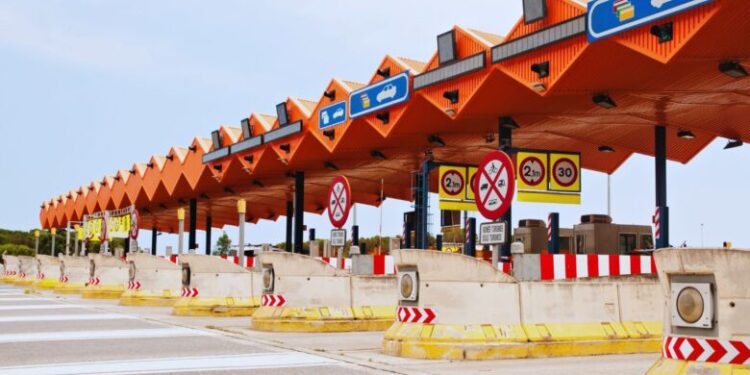
If you’ve lived in Hyderabad long enough, you know the “Toll Plaza Tense.” It’s that specific moment of anxiety when you’re approaching the Gachibowli or Shamshabad interchange, your FASTag doesn’t beep, and you realize you only have a ₹500 note for a ₹40 toll.
As of April 1, 2026, that era of hunting for exact change is officially history. In line with the NHAI’s nationwide mandate, all 19 toll plazas on our beloved 158-km Outer Ring Road (ORR) have pulled the plug on cash.
The End of the “Chillar” Struggle
For years, the cash lanes were the Achilles’ heel of the ORR. One driver digging through a glovebox for coins could back up traffic all the way to the main carriage-way. By implementing a complete ban on cash, officials aren’t just pushing tech—they’re pushing for time.
The goal? To make the “Express” in Expressway actually mean something. With every lane now functioning as a digital-only portal, the average wait time is expected to drop from minutes to mere seconds.
The New Safety Net: UPI at the Booth
We’ve all been there—your FASTag is blacklisted because of a missed KYC update, or the balance is just five rupees short. Previously, this meant a shameful U-turn or a heated argument with the toll operator.
Now, each booth is equipped with a static QR code. You can simply scan it with your phone, pay via UPI (Google Pay, PhonePe, or Paytm), and be on your way.
The Catch: While UPI is a lifesaver, keep in mind that “Convenience isn’t free.” Under the new 2026 rules, a UPI payment at the booth costs 1.25x the standard toll rate, whereas a working FASTag remains at the base price.
A Greener, Faster Loop
Beyond just saving us from the headache of loose change, this move is a win for the city’s air. Less idling at the 19 interchanges means thousands of liters of fuel saved every day and a significant dip in vehicle emissions around the ORR’s green belt.