Inside Mehfil-e-Kaapi, the monthly cultural gathering reviving Dakhni poetry, history, and romance in the heart of Old City.
“Kabhi surkhi se likhta hoon, kabhi kajal se likhta hoon,
Main dil ki baat jazbon ki hari konpal se likhta hoon,
Main tera naam jab likhta hoon apne dil ki takhti par,
Gulab-o-mushk se, Zamzam se, Ganga jal se likhta hoon.”
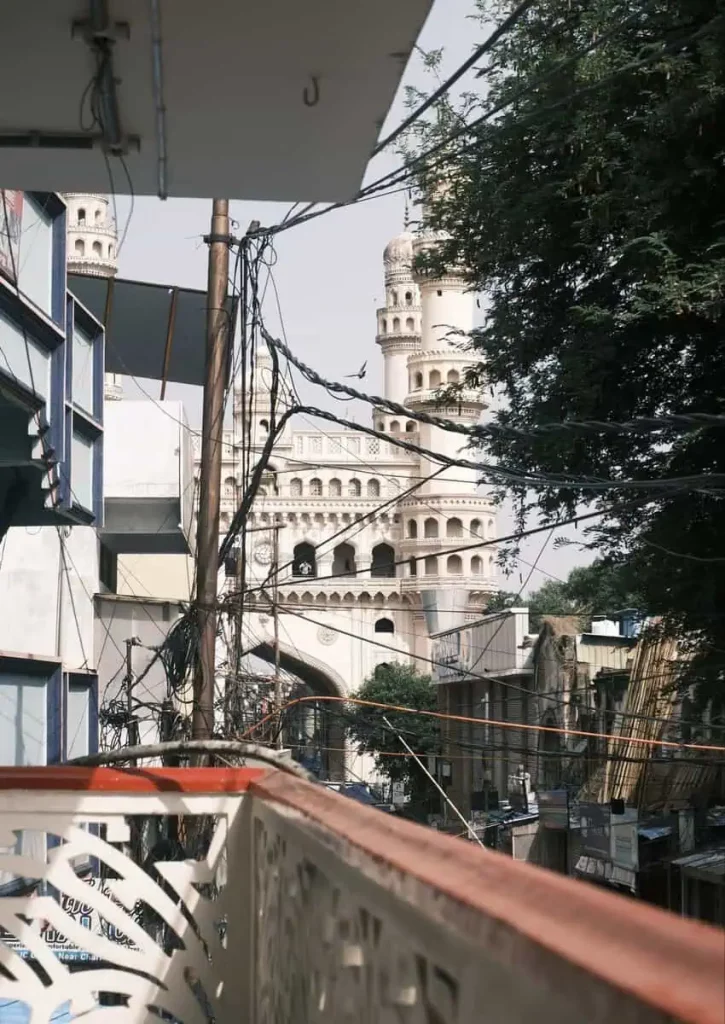
Under the shadow of the mighty Charminar, as the sun dipped and the streets came alive with tourists, hawkers, and hagglers, a different evening of Dakhni, shayari, and love was unfolding just a minute away. Nestled quietly beside Sardar Mahal, the newly restored heritage café Kaapi and Karam hosted the inaugural edition of its monthly series, Mehfil-e-Kaapi.
Threading the Deccan’s Literary History
The evening carried the narrative forward into the Asaf Jahi era, highlighting how the city’s rulers harbored a long, passionate love affair with poetry. From the pioneering legacy of Mah Laqa Chanda Bai—the Deccan’s legendary 18th-century courtesan and first female poet with a published Diwan—to the revolutionary socio-political verses of Makhdoom Mohiuddin, the session wove a vivid tapestry of the voices that built the Deccan’s literary floorboards.
Bringing this historical arc straight into the present, the stage welcomed Dakhni poetry with playful, witty lines:
Phir ko phir ko aana hai to chhod ko kaiku jaana ji.”
Having set a rich historical stage, Sardar Saleem took over with his deep, romantic verses. Opening with the resonant reminder that “Kavitha manavta ki matrabhasha hai” (Poetry is the mother tongue of humanity), his soul-stirring rendition of classical Urdu ghazals held the room spellbound:
Mohabbat karne waale ke liye har jah mohabbat hain,
Mohabbat yeh nahi izhaar kardena mohabbat ka,
Kisi ko chupke chupke chahte rehna bhi mohabbat hain.
A New Address for Hyderabad’s Living Culture
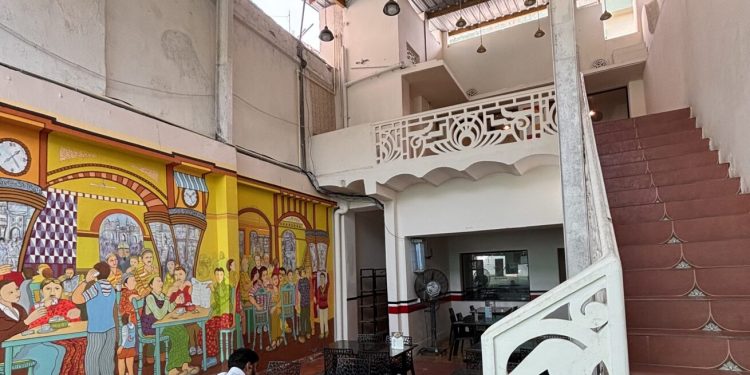
The packed house underscored a growing hunger across the city for spaces where Dakhni culture and heritage can be experienced live. Kaapi and Karam aims to satiate that hunger through its thoughtfully designed dual-concept layout.
On the ground floor, it functions as a fast-casual, self-service tiffin counter where visitors drop in for piping hot filter coffee, crisp dosas, wholesome thalis, and savory Delhi-style chaat.
Step upstairs, however, and the usual Old City bustle gives way to a serene, air-conditioned gallery. Minimally decorated with local artwork, the space is built specifically to host history talks, book readings, and creative workshops—offering a dedicated cultural sanctuary that the oldest part of Hyderabad has long awaited.
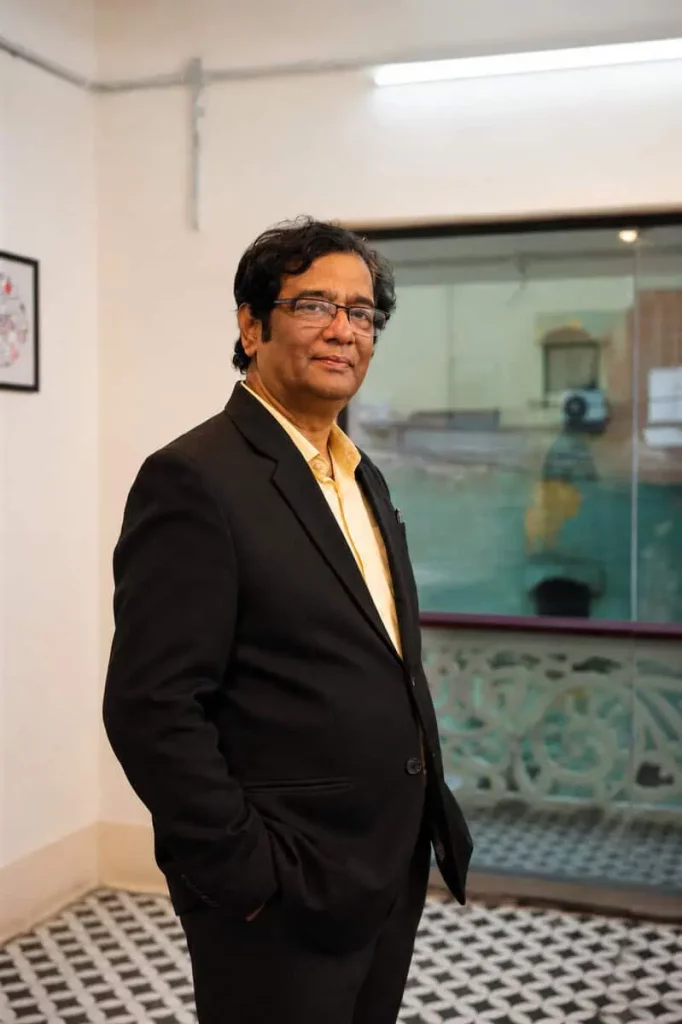
“Hyderabad has never been short of poets. What it has occasionally been short of is somewhere for them to be heard over something better than instant coffee,” said Neel Sharma, marketing head. “Kaapi & Karam settled that question rather emphatically—the house was full, Dakhni was flowing, and Charminar, just minutes away, seemed to be listening in. This is not a one-evening flourish. Mehfil-e-Kaapi is here to stay, and the poets and connoisseurs of this city now have a monthly address.”
With Mehfil-e-Kaapi set to return as a monthly fixture, one thing has become abundantly clear: while Charminar remains the city’s timeless stone anchor, its living, breathing culture will continue to be written just a few steps away—one mehfil at a time.