How Hyderabad is seamlessly blending 400 years of royal heritage with a fast-moving, high-tech future.
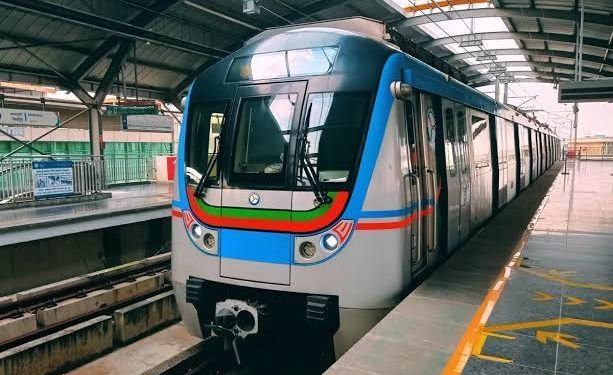
There is a precise moment every evening in Hyderabad where time seems to fold in on itself. Stand near the historic Gulzar Houz as the evening azaan echoes across the four arches of the Charminar. A few feet away, street vendors dish out steaming plates of biryani, while commuters scroll through their phones checking real-time arrival updates for the Hyderabad Metro.
Hyderabad has never been a city that discards its past to make room for its future. Instead, it layer upon layer weaves them together—a city where centuries-old Nizam palaces sit within driving distance of gleaming tech parks, and traditional baolis (stepwells) are repurposed into atmospheric venues for contemporary music and art.
Here is a glimpse into the living, breathing stories that define India’s most dynamic metropolis today.
1. The Old City Meets Modern Transit
For years, the narrative of Old City Hyderabad was anchored in its historical weight—the majestic Chowmahalla Palace, the bustling lanes of Laad Bazaar, and the quiet dignity of Sardar Mahal. Yet, urban mobility is actively reshaping how residents and travelers experience this storied quarter.
With the greenlight on the 7.5 km Corridor VI (Green Line) Metro extension stretching from Mahatma Gandhi Bus Stand (MGBS) to Chandrayangutta, the historic heart of the city is gearing up for unprecedented connectivity.
“Heritage isn’t meant to be frozen in time behind glass. It flourishes when people can move through it freely, bridging the distance between ancient gateways and modern commerce.”
2. A Tale of Two Kitchens: From Royal Feasts to Street-Side Chai
You cannot talk about Hyderabad without talking about taste. Food here is a cultural record—a edible timeline of Persian influences, South Indian spice palettes, and royal court traditions.
| Culinary Icon | What Makes It Special | Best Time to Experience |
| Hyderabadi Dum Biryani | Slow-cooked marinated meat and fragrant basmati rice sealed with dough (dum). | Lunch or late-night dinners in the Old City. |
| Irani Chai & Osmania Biscuits | Milky, reduced tea brewed in brass kettles served with sweet-salty biscuits. | Early morning around Charminar or Koti. |
| Haleem | A rich, spiced wheat and meat stew traditionally prepared during Ramzan. | Festive evening gatherings. |
Whether you’re sitting at a marble-topped table in a 90-year-old cafe or dining in a fine-dining courtyard in Jubilee Hills, food remains the ultimate conversation starter across every neighborhood.
3. Stepwells, Cables, and Restored Courtyards
Beyond headline infrastructure, Hyderabad is quietly experiencing a heritage renaissance:
- Stepwell Restorations: Forgotten baolis like the Bansilalpet Stepwell have been meticulously desilted and restored, serving as public culture hubs for storytelling and acoustic performances.
- Historic Revivals: Landmarks like Sardar Mahal and Kotwal House are undergoing conservation to re-emerge as museum spaces and artisan centers.
- New Horizons: Plans for sky cable links near Golconda Fort and the Qutb Shahi Tombs promise to give visitors a bird’s-eye view of 16th-century architecture.
The Heartbeat of the Deccan
What makes Hyderabad stories so captivating is not just the grandeur of its past monarchs or the scale of its modern tech corridors. It is the everyday grace of its people—the warm Aadab, the leisurely conversations over tea, and the quiet pride in belonging to a city that honors where it came from while eagerly building where it is going.
Next time you find yourself in the City of Pearls, don’t just visit the landmarks. Take a moment to sit at a corner tea stall, watch the city rush by, and listen closely—every lane has a story waiting to be told.